


Personalized Mosaics
Transforming fragments into masterpieces—custom mosaics designed to reflect your one-of-a-kind journey.

Paintings
We have original works of art that inspire, elevate, and breathe life into your spaces.

Photography
We capture the beauty of moments, places, and stories through a lens that sees beyond the ordinary.

Drawings
Our artists come with hand-drawn creations that bring imagination to life with every line, curve, and detail.


The Unique Charm of Personalized Art for Meaningful Gifts

In an era of mass-produced everything, personalized art is a truly unique and heartfelt gift. Whether we want to express emotions on birthdays, anniversaries, or weddings, or create special memories, we can use personalized art pieces to do so. In this article, we explore why personalized art is so charming and makes for a meaningful gift.
A Reflection of Personal Connection
Personalized art captures the relationship and experience. Gifting a special piece of art that means something to the person, their personality, interests, or some other special moment of their life forms an unbreakable bond. For example, a painting of a much-loved location or a custom portrait of a beloved pet can evoke fond memories and stir emotions. A simple gift becomes a cherished keepsake when you add this personal touch. There are also different levels of personal touch depending on the relationship and occasion. For example, if you are meeting someone from mega personal classifieds for a first date, you might want to stand out without being overly familiar. In another instance, you might have a deep connection rooted in a lot of history, in which case, there are endless creative possibilities.
Endless Creative Possibilities
Personalized art is versatile. There are all kinds of pieces artists can make for various kinds of people, each with their own personal style. You can have custom illustrations and paintings, unique sculptures, and even digital artworks. You can have a favorite scene illustrated, have an abstract representation of emotions, or have a family tree made that celebrates heritage. This diversity lets you choose something that truly reflects the recipient’s personality and preferences.
Celebrating Milestones and Memories
One of the best ways to remember important life occasions is with personalized art. Whether it’s the birth of a child, a wedding, or a graduation, custom artwork can be a keeper of these important milestones. An example would be an artist creating a piece with important dates or symbols pertinent to the event. Gifts that you take the time to think through, such as these, are not only a celebration of the moment but also part of the recipient’s story, as they are part of the recipient’s journey through life.
Supporting Local Artists

When you choose personalized art, you are also supporting local artists and artisans. Custom: When you commission or purchase custom pieces, you contribute to the creative economy and help sustain artistic communities. Besides adding value to your gift, it creates a bond between the giver, the artist, and the recipient. It’s an extra layer of meaning to your gift because you know that a local talent crafted a unique piece with care.
The Gift of Experience
Commissioning personalized art doesn’t end when the final product comes together; it is also an enriching experience for both the giver and the receiver. Working with artists can spark conversations about what inspires them, how they work, and their vision. As a collaborative tool, gifting becomes a participatory, shared experience for the receiver and the gifter, strengthening relationships and creating shared memories.
Lasting Impressions
Traditional presents tend to lose their sentimental value, whereas custom art tends to increase in value over time. Years pass, and these one-of-a-kind pieces often bring back nostalgia and fond memories of when they were made. Since personalized artwork is unique, recipients may hold it in higher regard than many other presents because it serves as a constant, living reminder of great love and care.
Conclusion
Personalized art is special because it speaks from the heart and celebrates individuality. When you give custom pieces as gifts, you create connections that outlast the material value of your gift. Personalized art tells personal stories, supports local artists, and marks life milestones. When our personal connections are more significant than ever, your gift of a personalized piece of art says so much more than just giving; it’s about spreading love, memories, and creativity in a way that will resonate for years to come.
The Power of Texture: How Paintings Create Emotional Depth

One of the most powerful tools an artist has to evoke emotion is texture, and art can do just that. Paintings don’t just tell us what things look like; texture adds layers of meaning and emotional depth that can reach a viewer deeply. In this article, we examine how texture shapes our perception of art and our emotional experience.
Understanding Texture in Art
Textural quality of a painting is the quality of its surface and can be seen or felt. Texture is a medium through which artists control through brushwork, layering, or sometimes certain materials. Thick impasto paint conveys a three-dimensional effect, and smooth washes a sense of calm, for example. Artists can control viewers’ emotional responses and connect viewers more deeply with their work by altering texture.
Emotional Resonance Through Texture
Different things make different sounds when given different textures, which elicits different emotional reactions. Texture can be conveyed as rough and jagged, for example, as a representation of chaos or turmoil, or as soft and flowing, as an expression of serenity or peace. For instance, in Vincent van Gogh’s “Starry Night”, the artist’s inner struggle and passion are exhibited through his swirling, textured brush strokes, evoking turbulence and beauty. The interplay of texture and emotion allows the artwork to better communicate to the viewers.
The Role of Color and Texture

As a result, Texture often plays well with color, adding depth. Rich colors and varied textures combined can produce a multi-sensory experience that will hold the viewer. Take a vibrant painting, rough in texture, and you might see it alive and energetic. Conversely, muted colors or smooth surfaces may evoke nostalgia or sadness. It is important, however, for artists to consider how these elements interact with one another to maximize the emotional impact of their work.
Creating Movement and Rhythm
Movement can also be suggested by texture. Artists can use contrasting textures to direct the viewer’s eye throughout the canvas, and the movement replicates natural rhythms. Feeling joyful or excited, this movement can make people jump into the artwork’s plot. For instance, Jackson Pollock’s drip paintings are a good example, as their chaotic textures invite viewers to see the energy and spontaneity of his creative process.
Engaging the Senses
Textured paintings offer a tactile quality that elicits not merely a visual sensory response but also encourages an imaginative tactile response. This strengthens viewers’ connection to the piece by making them want to reach out and touch the surface. The senses are engaged in this, so you activate the way you go and gain this meaning of art by participating in the artwork’s emotional landscape. By engaging with and processing sensory stimuli, the viewer can connect with emotional messages in art. Of course, this is primarily visual, which is why, in today’s ubiquitous visual media landscape, we see companies using art to evoke emotion to market products and services. Whether it is free sex dating sites attempting to evoke arousal with certain colors or dating apps trying to promote connection through abstract images.

The Artist’s Intent
Artists actively use texture to express emotions and themes. A rough texture might suggest struggle or hardship, while a smooth texture might suggest tranquility or harmony. By understanding an artist’s intention behind their textural choices, we can improve our understanding and appreciation of their work and improve our emotional response. This encourages viewers to look into what they see and how they feel when experiencing textured art.
Conclusion
Texture, indeed, is a powerful tool in any painting because it adds another sense of depth and emotion to the work, striking our hearts in multiple ways. Through manipulation of texture in several ways, artists take us on a journey through their emotional world, calling upon us to feel the enormity of great happiness or sadness. When we interact with textured artworks, we peel away layers of meaning, expanding our understanding of the art and our emotions. So texture becomes not only a visual thing but a way to express emotions when painting.
Color Theory for Artists: How to Build Harmonious Palettes

Colors can be intimidating, and even feel like magic. Get a color combination wrong, and a painting can feel entirely off balance. Get it right, and everything clicks.
The good news is that there is a method behind choosing color combinations. Once you learn how to pair colors, choosing a combination will be far less stressful.
Start With the Color Wheel
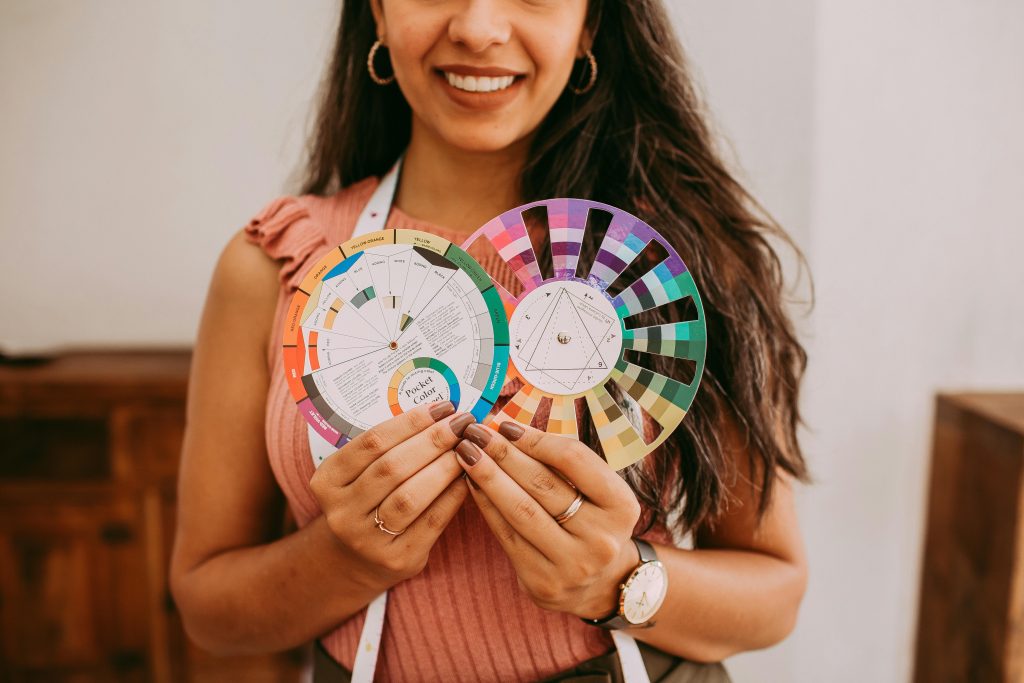
Every artist should have a color wheel on hand. A color wheel shows how colors pair together, and how some combinations clash. Some pairs work well, and some can make a painting feel off.
These color combinations are some of the most common you’ll find in the color wheel and will help you determine how to model color combinations in your work.
- Complementary: colors opposite of each other.
- Analogous: colors next to each other.
- Triadic: three evenly spaced colors around the wheel.
- Split complementary: one color and the two colors next to its opposite.
- Tetradic: four evenly spaced colors around the wheel.
- Monochromatic: varying tints and shades of one color.
Every color combination gives the artwork a different feel. Complementary colors feel very high contrast and create a lot of energy. At the same time, analogous colors are much calmer and easier to look at.
The Three Things That Make a Color
Before you build any palette, know these three basic color traits:
- Hue: the actual color name, like red or blue
- Value: how light or dark the color is
- Intensity: how pure or dull the color looks
These three things work together. Change one and the whole mood of your painting shifts. Most artists get stuck here. They pick colors they like, but forget to balance value and intensity.
The One Rule You Can’t Break
Here’s the big one. Every artist needs to know this.
If you change the value, shift the hue too.
That means when a color gets lighter or darker, it should also shift a little on the color wheel. Warm light needs cool shadows. Cool light needs warm shadows. They go in opposite directions.
Try it with green. Start with a mid-tone green. For the lighter version, shift the hue toward yellow. For the darker version, shift it toward blue. You’ll end up with a palette that feels alive and natural. This is what separates flat paintings from ones that glow.
Quick Tips for Better Palettes
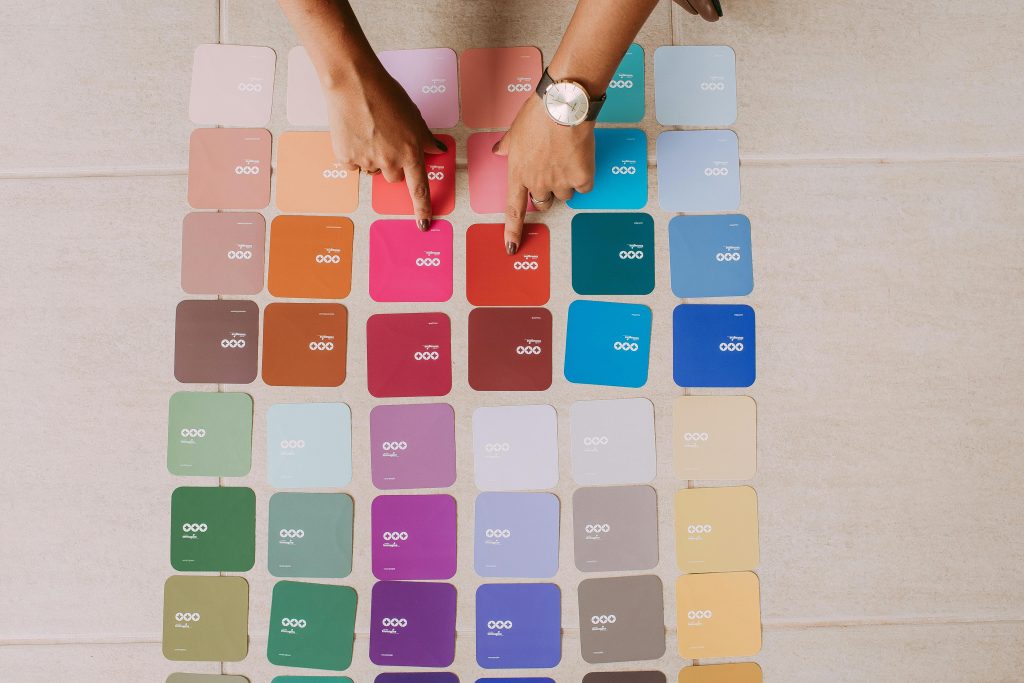
Some simple habits can save you time:
- Rather than using every color to its full strength, tone some down so that one color leads the eye.
- Before you even start, arranging your palette from light to dark will help you to see the full range of colors.
- Choose one main color for the mood and let the other color support it.
- Highlight and shadow colors should have lower intensity than the mid-tones.
Colors are like voices in a room. If everyone shouts, it is just a noise. Let one voice lead and the rest be quiet.
Complementary Colors Are Powerful
Red and green. Blue and orange. Yellow and violet. These pairs create the strongest contrast on the wheel. Place them next to each other, and they almost vibrate.
Artists have used this for centuries. Van Gogh painted sunflowers in orange against deep blue backgrounds. Matisse placed red dancers on green land. The contrast grabs your attention fast.
Be careful, though. Full-strength complementary colors can feel overwhelming. Tone one of them down to find balance. Let one color lead and use its opposite as an accent.
Build Your Palette With a Plan
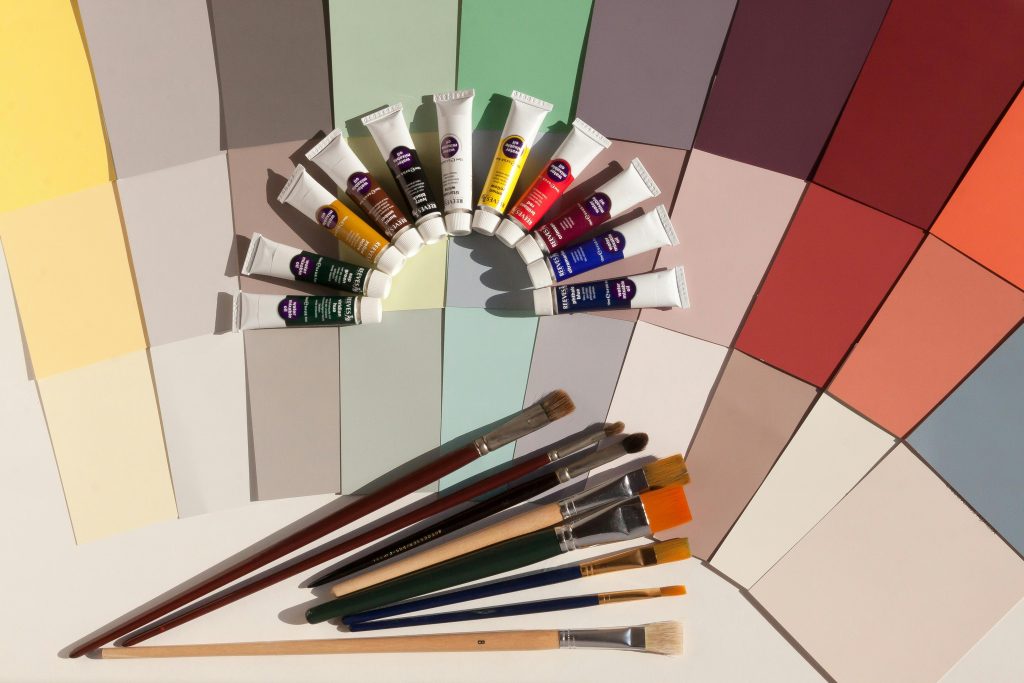
Meaningful palettes are not just collections of nice colors. Establish an emotion that you would like to evoke. Select an appropriate color. Add to that emotion using various value shifts and hue alterations.
Excellent palettes are the result of a process. Many deliberate decisions accumulate. Grow your knowledge, and when appropriate, you can disregard it.
How to Tell a Story With a Single Photograph
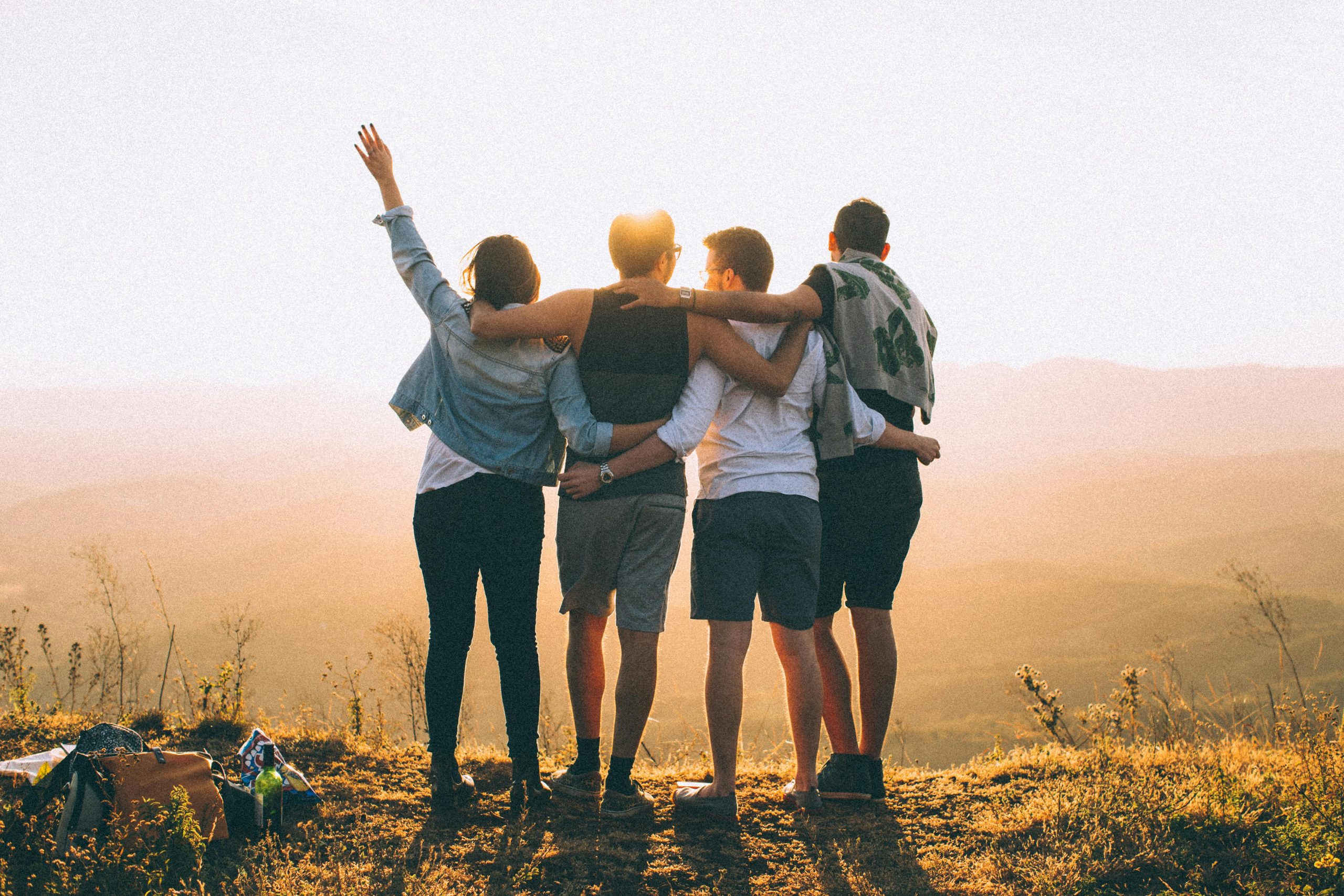
One picture can speak a thousand words, even more so. It can speak many words, but you have to understand how to capture a compelling moment. Image creation is an intentional design that can evoke a powerful emotion.
This is what every good photographer has in common. It is your duty as a photographer to do more than capture a technically good photograph. It is your job to communicate the story the scene offers. So how do you accomplish this? Let’s move on to the next step.
Find a Subject With Personality
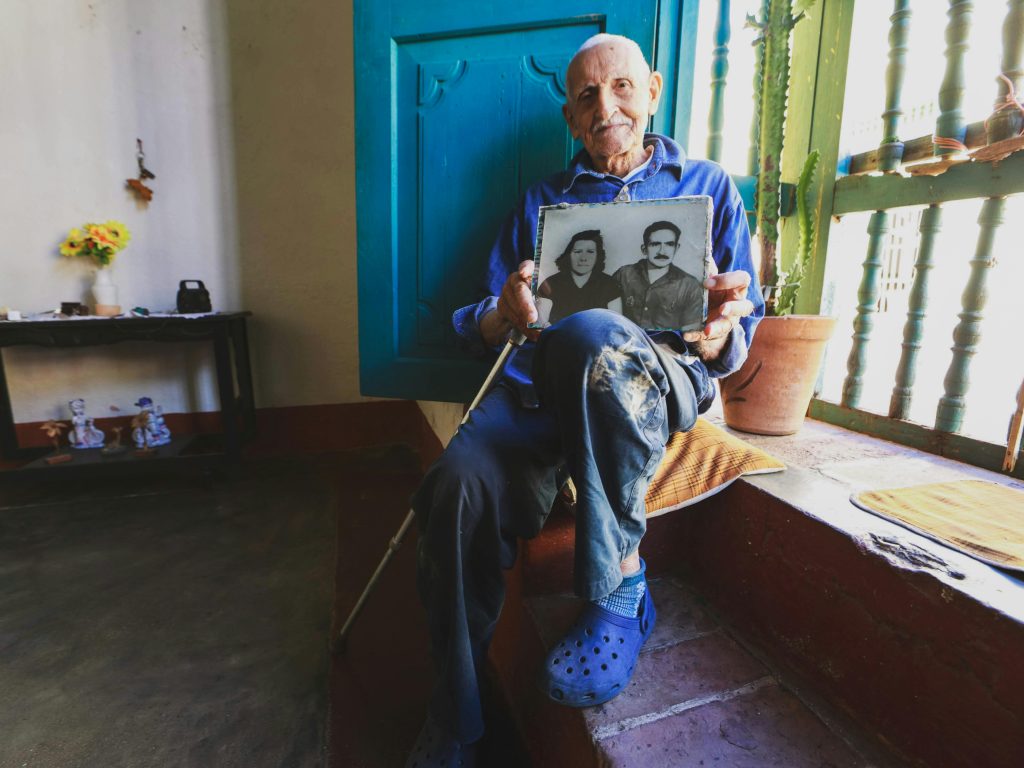
The best story photographs begin with a scene that has a subject and something happening. What captures your attention? A bold face, a funny pose, or something else? Your instinct is right when you see a scene that makes you stop and look. Your audience will feel the same. A strong presence in a scene will make the story in the photo obvious. You don’t need to have a caption.
Look for these things in your subject:
- Faces with real emotion
- Body language that says something
- Details that feel personal or unique
The goal is to spark curiosity. You want viewers to ask, “What’s the story here?”
Create a Mood on Purpose
Mood is one of your biggest tools. A cold blue tone can feel lonely or sad. Warm golden light feels safe and happy. These aren’t random choices. You pick them to guide how the viewer feels.
Say you’re shooting a polar bear cub on a grey day. You lean into the cold, bleak colors. You pull back to show the space around it. You wait for the bear to lay its head down. Each choice adds to the mood. Together, they tell a story about a harsh, lonely place.
You can shape the mood by adjusting:
- Color tone: warm or cool
- How much space surrounds your subject
- The exact moment you press the shutter
Use Weather and Light as Tools
In fact, bad weather could be your best friend. Storms, fog, wind, and rain provide energy to the photo. They give life to it. A sandstorm at sunset is not a boring dune. It is dramatic. The dullest shots are from flat, grey days, with no weather, nor story.
The same is true for light. Light behind your subject creates a silhouette, and an exposed subject will look radiant, clogged with the last remaining sliver of golden light. Weather and light offer more than a backdrop. In fact, they’re a key part of the story.
Let Your Subject Own the Frame

Sometimes the story lives in the composition. A twisted old tree in a forest full of straight ones stands out right away. It has character. Put it front and center. Let it own the frame.
Don’t clutter the shot. Simple, clean compositions let your subject speak louder. The viewer’s eye knows where to go. That focus drives the story home.
Put Your Own Vision Into the Shot
A good story photo is not all about what you capture. It is about what you choose to see. Your perspective. The way you frame an image. Your choices on when you press the shutter all contribute to the final image.
Think about the things you like. Do you like low-light photography? Do you like shadows and the mysterious elements they bring? Then go for it. Imagine a back-lit lion being photographed. Only the glowing mane is in frame. Even though a lion is seen in the image, it is far more interesting than a flat midday shot of a lion. Your photos should tell a story about you. A good photo should show what you see.
A Few Quick Tips to Pull It All Together
- Shoot in interesting light, not just bright light
- Wait for the right moment before you press the shutter
- Let the mood guide your color and tone choices
- Look for subjects that already have personality
- Keep the frame simple so the story stays clear
A single photograph can stop someone mid-scroll. It can make a stranger feel something real. That’s a powerful thing. You don’t need a whole album to tell a story. You need one great frame and the eye to see it.
How to Choose Art for Your Home: A Room-by-Room Guide
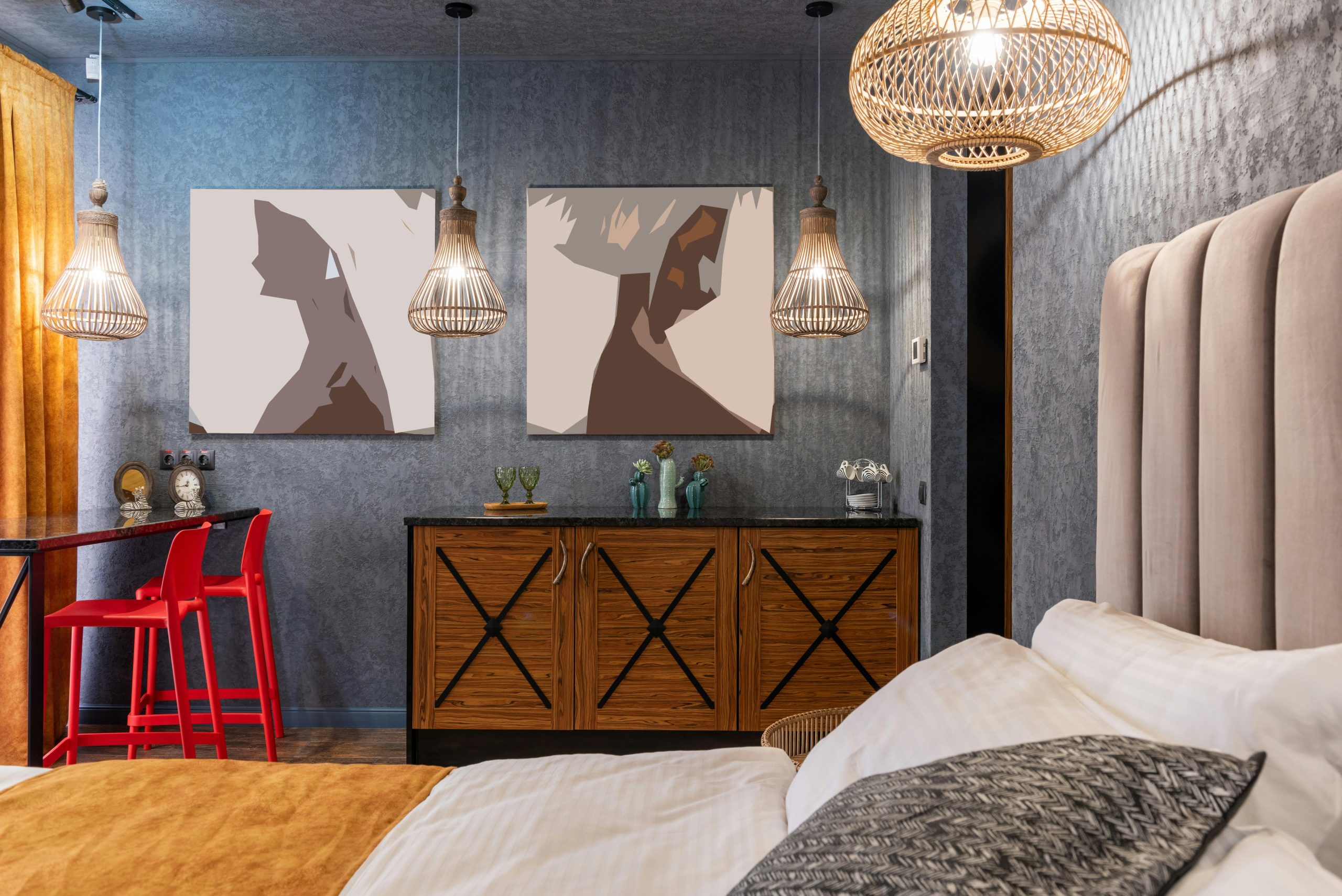
Art can change a room from top to bottom. A gallery visit or an online search can hit you with too many options at once and leave you feeling like you are looking at a pile of frames. Don’t worry. This guide breaks down how to choose art by room to help you find art you love.
Start With the Living Room
Your living room is the most important in your house. It is also the room your guests are most likely to see first. There is no room in your house better suited to making a first impression. Here, you can really make a statement. A large statement piece can help set the tone for the entire room. Art for your living room should be about two-thirds the length of your sofa.
Consider your existing items when selecting colors. If your walls and furniture are neutral, you can incorporate a piece with warm or bright tones. That can quickly energize the room. If your décor is bold, you will need to go with something more subdued and simple.
The Bedroom
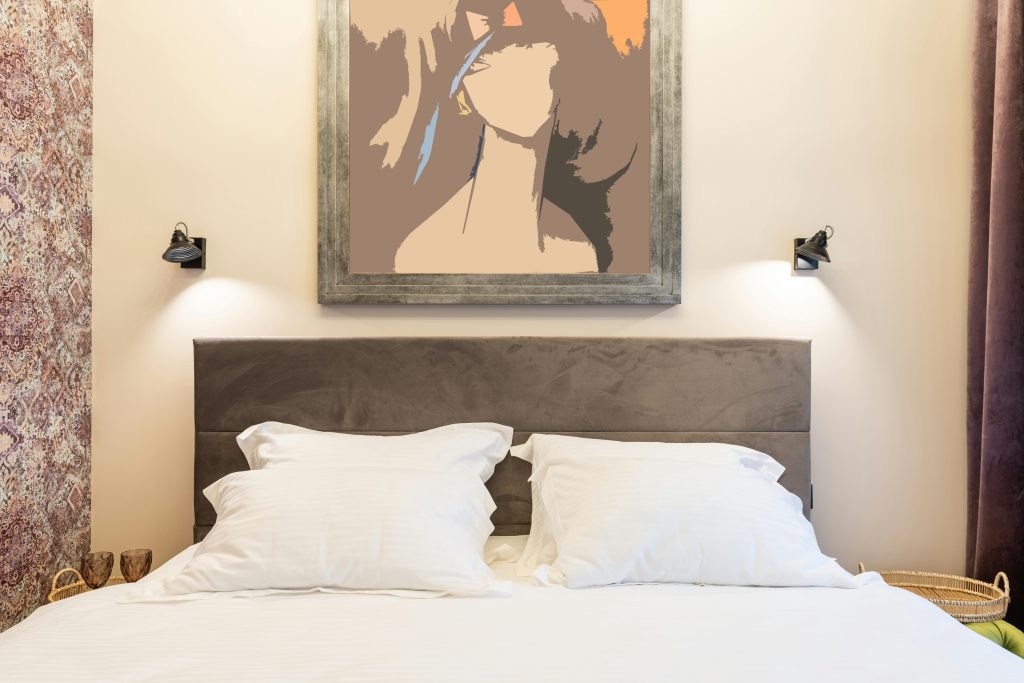
The bedroom should feel calming from the moment you step in. Light blue, cream, and warm, earthy tones will help with that. Good options include nature scenes, gentle abstracts, and quiet-toned cultural pieces.
Hang the art above the headboard at a height that is easy to see. Nothing too insistent or too loud. The goal is to feel at ease the moment you walk in. First impressions often matter more than people think.
The Dining Room
Dining rooms are great for art that sparks a little conversation. Warm tones feel inviting here. Cultural pieces with a story behind them work really well. A gallery wall with matching frames looks clean and put together.
Hang art at eye level. That way, it catches attention naturally as people sit and eat, without anyone craning their neck.
The Kitchen
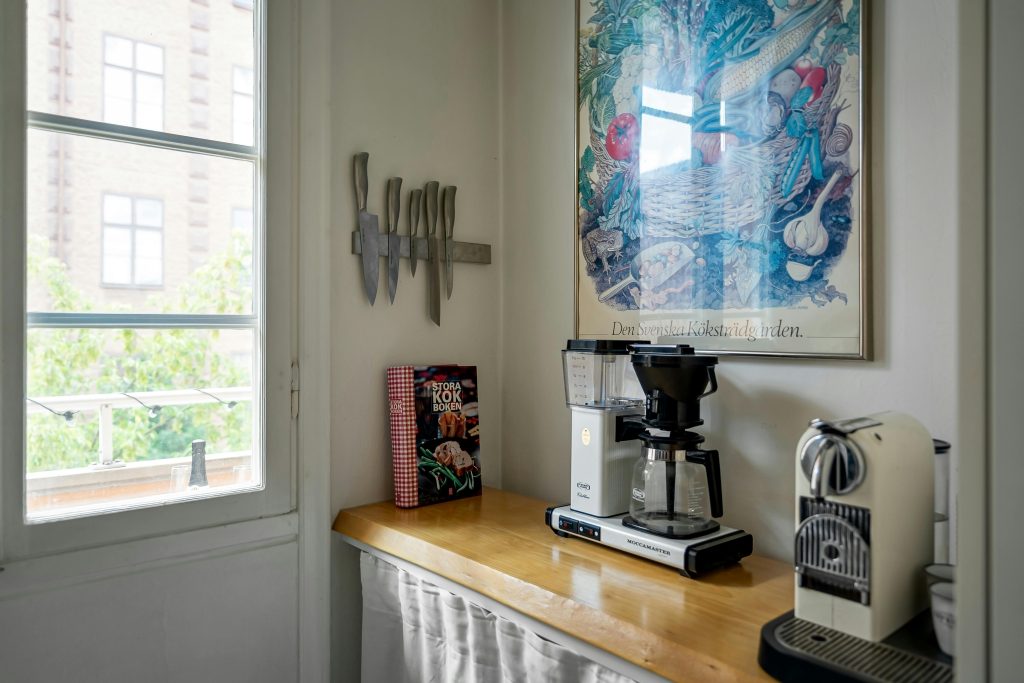
A lot of people leave the kitchen plain. That is a missed chance. This can be one of the nicest places to add a little personality. You do not need much. Small framed prints, fun food-themed drawings, or a short quote can bring warmth and charm into the room. A kitchen does not need to feel cold and bare.
Just keep practical details in mind. Art should not be hung too close to the stove or sink. Heat and moisture can wear down frames fast. So if you want them to last, give them a safer spot.
The Home Office
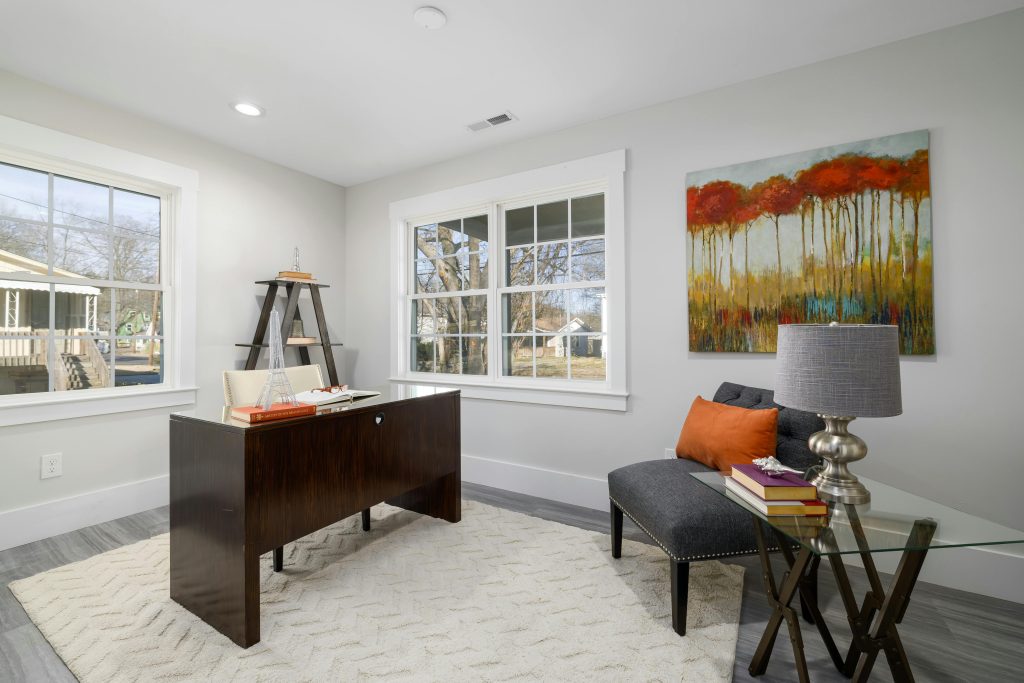
Your home office deserves some attention, too. The right art can help you focus and feel more creative at the same time. Abstract pieces are great for sparking ideas. Calm landscapes help take the edge off stressful days.
Place your art somewhere you can see it easily from your desk. A side wall or the wall straight ahead both work well.
Hallways and Entryways
Hallways get ignored a lot. But they set the tone before anyone even reaches the main rooms. A gallery wall with a few small to medium pieces looks great here. In tight spaces, tall, narrow art fits without crowding.
Your hallway is like a little preview of your style. Give it some love, too.
Match Art to Your Home’s Style
Your art should feel like a natural part of the room. Here is a quick breakdown:
- Modern homes: go with minimalist or abstract pieces
- Traditional homes: classic or cultural art tends to fit naturally
- Bohemian style: bold, colorful, and textured art gives the room energy
- Contemporary spaces: large pieces with clean lines look crisp and strong
Also, color can be viewed in two simple ways. You can blend the art into the room by choosing shades already used in the space. Or you can create contrast and make the piece the focal point. Both approaches can work. The right one depends on the effect you want.
Buy What You Love
Design tips are useful, but the most important rule stays the same. Buy art you love. Before you make that choice, ask yourself a few quick questions:
- Does it make you feel something?
- Can you see it working in your home?
- Will you still love it a year from now?
If yes, then go with it. Art in your home should feel personal. The right piece tells your story without a single word being spoken. That is where its value is often found.
Textured Acrylic Painting Techniques: How Artists Build Depth
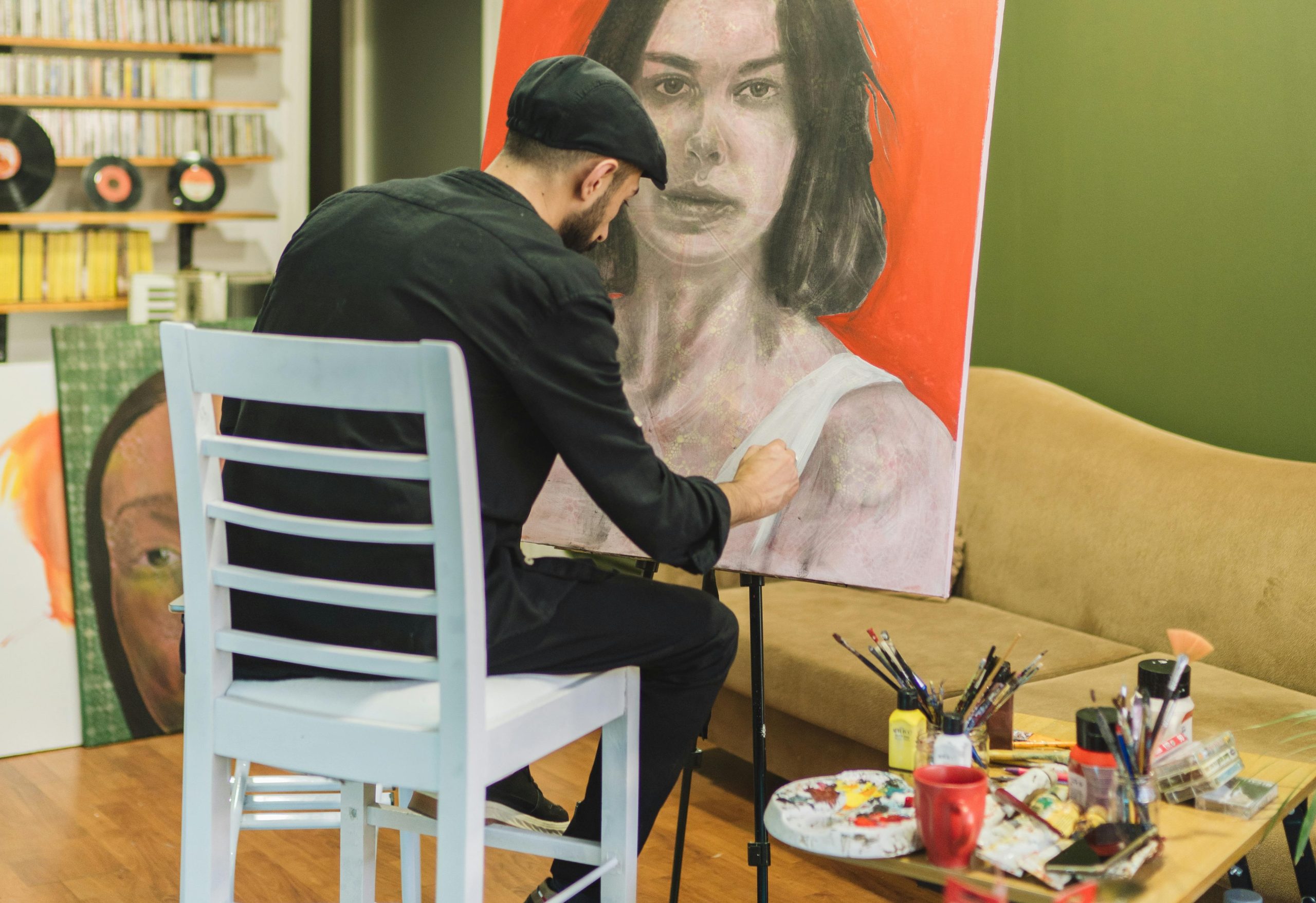
Acrylic paint is a medium that rewards boldness. You can pile it on thick, water it down thin, or even scrape through it with a credit card. No other paint gives you that much freedom in one tube.
Artists who work with acrylics know this well: texture is what pulls a viewer into a painting. A flat canvas can look fine. But add real depth, and people stop, lean in, and study every inch. That’s the power of texture.
Here’s how artists actually build it.
Start with an Underpainting
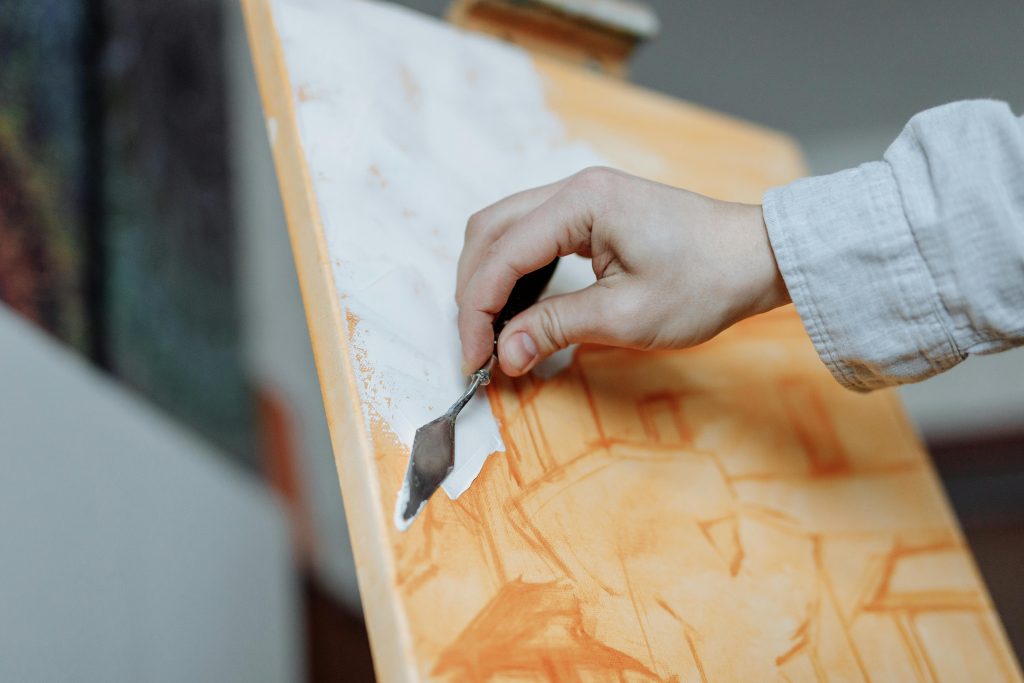
For most artists, underpainting is the first step in the painting process. It is a loose first layer where the artist tries to gauge a feel for the painting. A good tip is to experiment with a warm color like burnt sienna, then add a glaze of cool colors such as blues and greens. That combinatio
n is an almost certain way to create an underglow. Don’t sweat any details in this layer. Just create a base for your shapes to block out and let the underpainting do the work.
Glazing
Using glazing is a very simple way to create depth, with the right number of layers. To complete this step, you will need to add a glazing medium to some paint to create a thinner, more controllable layer. Work this over some previously dried paint, and you will notice that each layer changes the painting’s mood a little. Build up enough layers, and the painting will begin to feel ‘rich’.
Dry Brushing
Select a brush and put on very little paint. Drag it lightly across the painting’s surface. The paint will build up in some areas, and the brush will leave uneven, fractured marks. This technique is perfect for dry grass, tree bark, or rock. It is one of the most effective ways to add texture.
Palette Knife
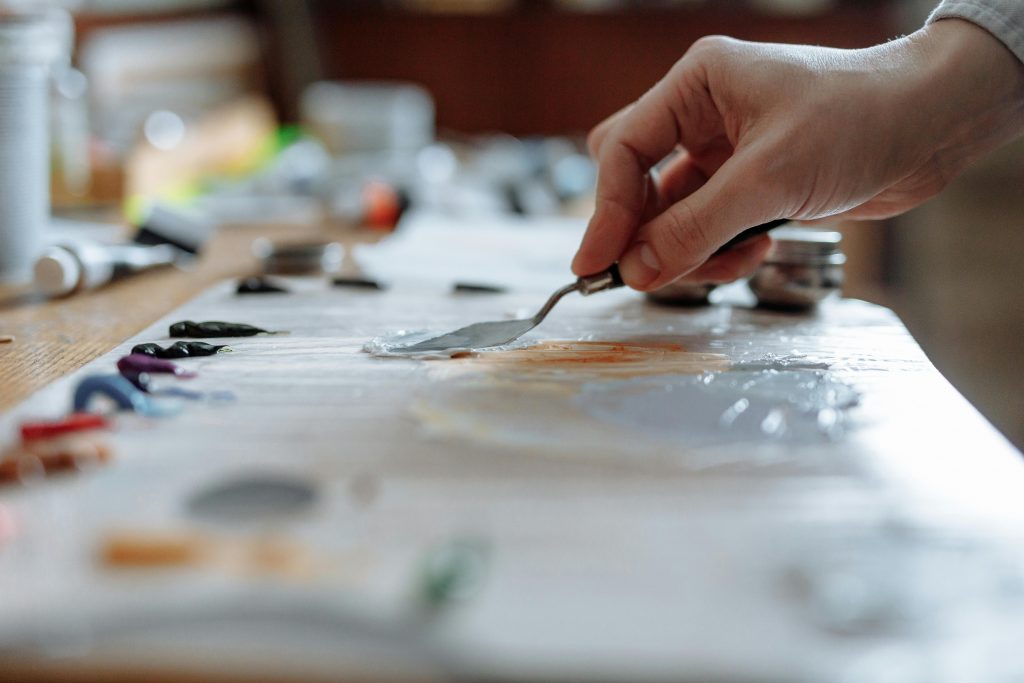
A palette knife puts down thick, bold paint. You can see the ridges it leaves behind. It’s raw and full of energy. No palette knife? A piece of stiff cardboard does the same job. It works just as well and costs nothing.
Sponge or Rag
A sponge or a torn-up rag can be more useful than you might expect. Dip it in paint and press it onto the canvas. You get soft and uneven marks that can look like leaves or clouds. The effect feels loose and natural. It also helps you avoid working in one area for too long. That mistake is made often.
Gel Medium for Thick Layers
Mix heavy gel medium into your paint before you put it on. It stays thick, and each ridge is held in place as it dries. You can shape the paint almost like clay. This method is called impasto. The raised surface catches light and shadow in a way that flat paint cannot match.
Scraping
Apply a thick layer of paint. Then drag a credit card or piece of cardboard through it before it dries. The tool pulls away the top color and reveals what’s underneath. It creates lines that look like water ripples or cracked dirt. Fast to do. Always a little surprising.
Mixed Media
Attach sand, fabric, or ripped paper directly to your canvas. You can press them into wet paint or glue them down. Then, paint over them. These materials will make your work much more tactile and add dimension.
The Final Details
When most of the big texture work is done, you can switch to fine detail work. Use a small brush to paint lines for leaves or light reflections on the water. Take a step back and check the balance.
Finish the painting with a thin layer of varnish. This will deepen the colors and unify the different layers.
The thing that gives a painting life is texture. Use one of these techniques for your next canvas and see what happens.
How to Care for Artwork: Cleaning, Sunlight, Humidity, and Storage
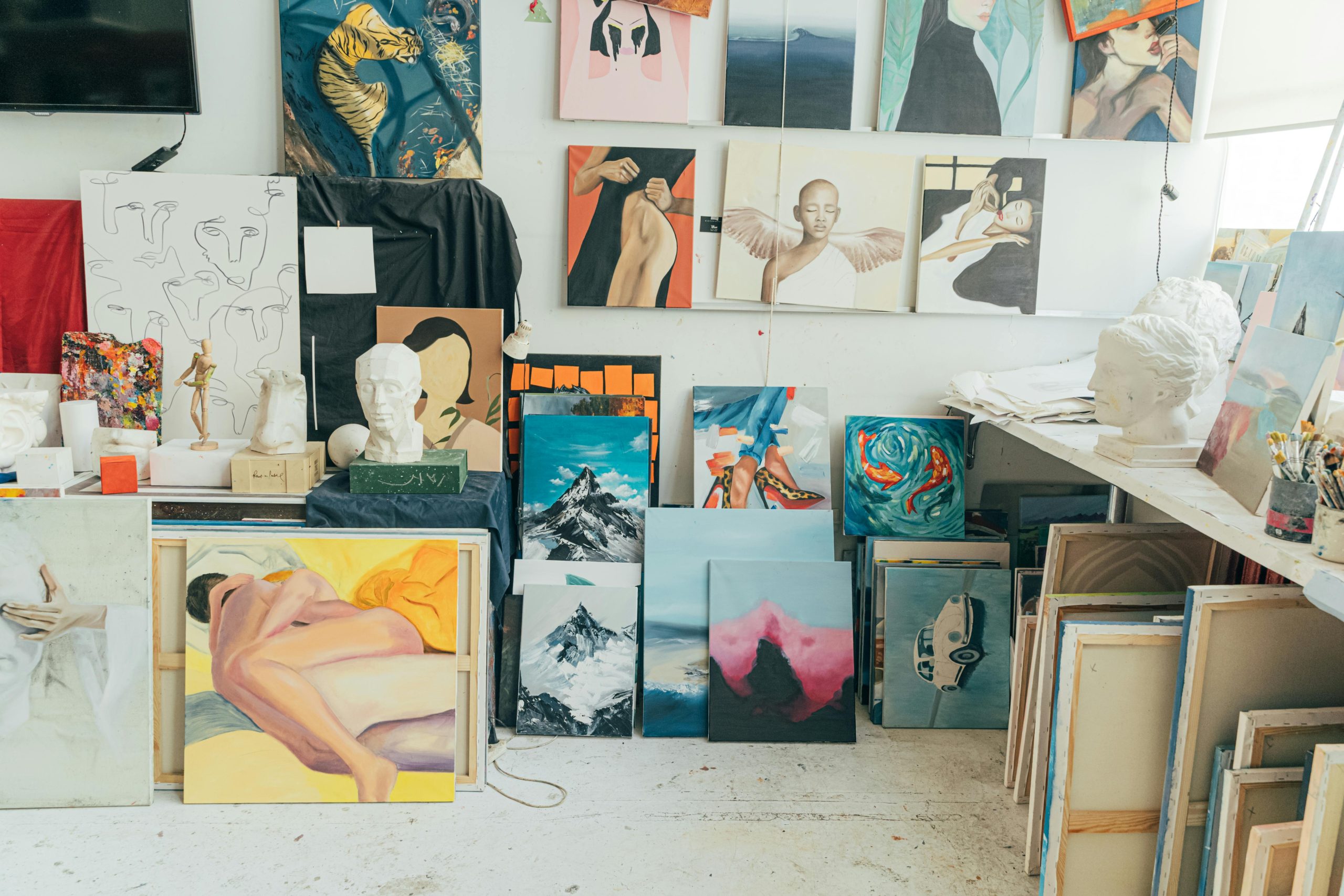
Artwork needs care and attention like any living being. The good news is that most of what needs to be done to keep art in great condition isn’t time-consuming or expensive. Especially with any artwork you care about.
Handle With Care
Always use clean hands when touching a painting. Better yet, wear soft cotton gloves. Remove any rings or watches before you pick anything up. They scratch paint surfaces more than you’d expect. Carry paintings with both hands from the sides of the frame. Never grab the top. And only move one painting at a time.
For large or heavy pieces, get a second person to help. Two people are always safer.
Where You Hang It Matters
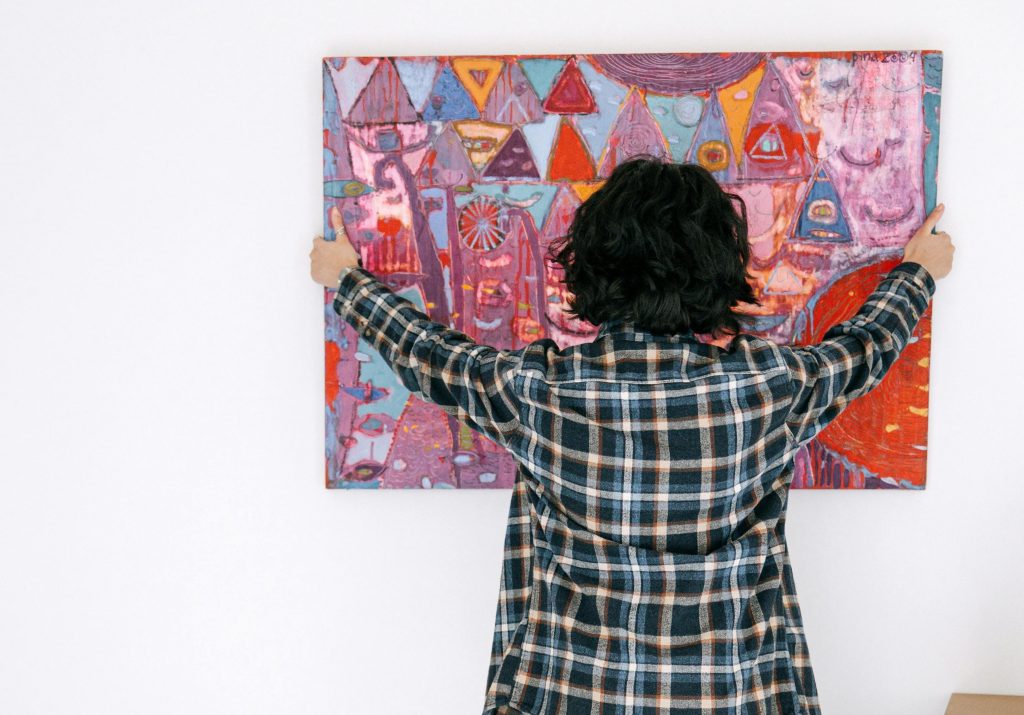
Believe it or not, your artwork’s lifespan is partly dependent on which part of the wall it hangs on. Avoid areas above heat sources, as the artwork will dry out more quickly and will age faster. Hot air will rise, and with it, dirt will be pulled up, making your artwork dirty faster than the rest of the walls.
Never hang art above fireplaces or any smoke source. The soot and smoke will gradually darken your artwork, and nobody can undo that kind of damage.
Pick a wall spot that is:
- Away from direct sunlight
- Far from heaters or vents
- In a room with a steady temperature
- Secured into a wall stud for heavy pieces
Sunlight Is a Silent Enemy
Sunlight fades paint slowly. You won’t notice it day to day. But over months and years, colors shift, and the image loses its balance—the rays in sunlight cause most of the damage. Keep paintings out of direct sunlight. Use curtains or special light-blocking glass to protect your art.
Humidity: Too Much or Too Little Is Bad
Humidity is tricky. Too little and the paint gets brittle. Too much and mold grows. Both are bad for your artwork.
Rapid changes in humidity are the worst thing for wood panel paintings. The wood expands and contracts with changes in moisture. Over time, it warps and curves—the paint on top cracks and flakes off. Try to keep the room at a steady humidity level all year. It really does make a big difference.
Watch for black spots on canvas paintings. That’s mold. It is most common in acrylic paintings kept in damp rooms.
How to Dust a Painting
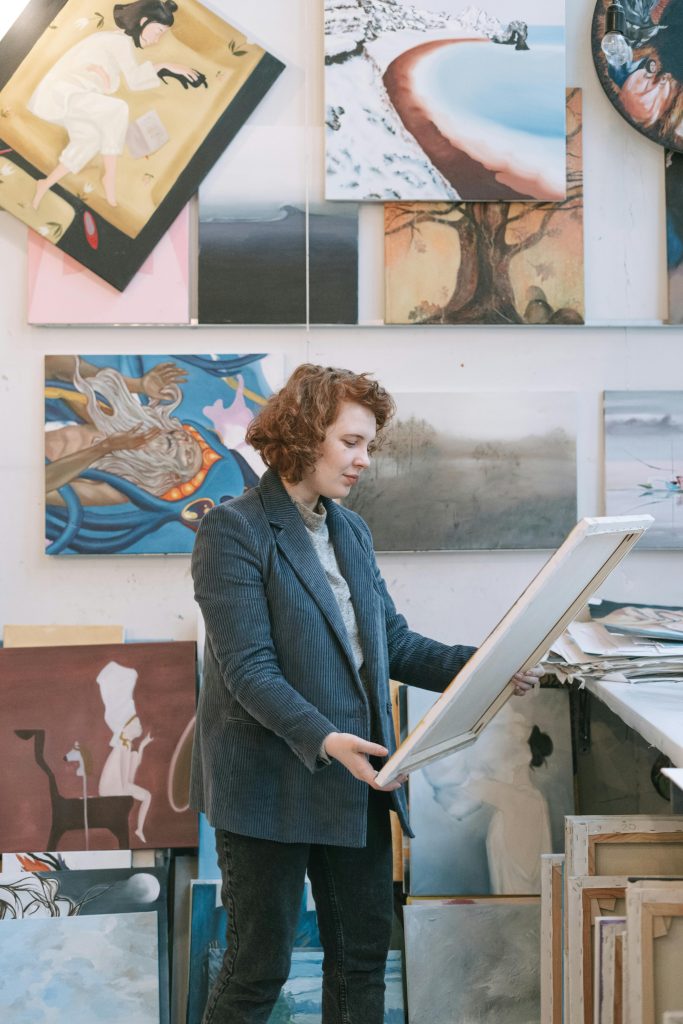
Dusting art takes a gentle touch. Use a clean, soft brush with natural hair bristles. Move it slowly across the painting in one direction. Then brush back the other way. Let the dust fall away from the surface.
Never use a cloth or feather duster. Cloth threads can catch on raised paint. Feather dusters scratch. Both cause real damage.
Skip brushing altogether if the surface looks powdery or matte. You could leave shiny marks that stay forever.
When to Call a Pro
Some things are better left to experts. If paint is flaking or the frame feels loose, stop and get help. A painting conservator knows how to safely fix these problems. They’ve spent years on this stuff. Don’t wait until the damage gets worse. A quick visit could save your artwork for decades to come.
How to Commission a Custom Painting: Step-by-Step (Timeline, Pricing, Process)
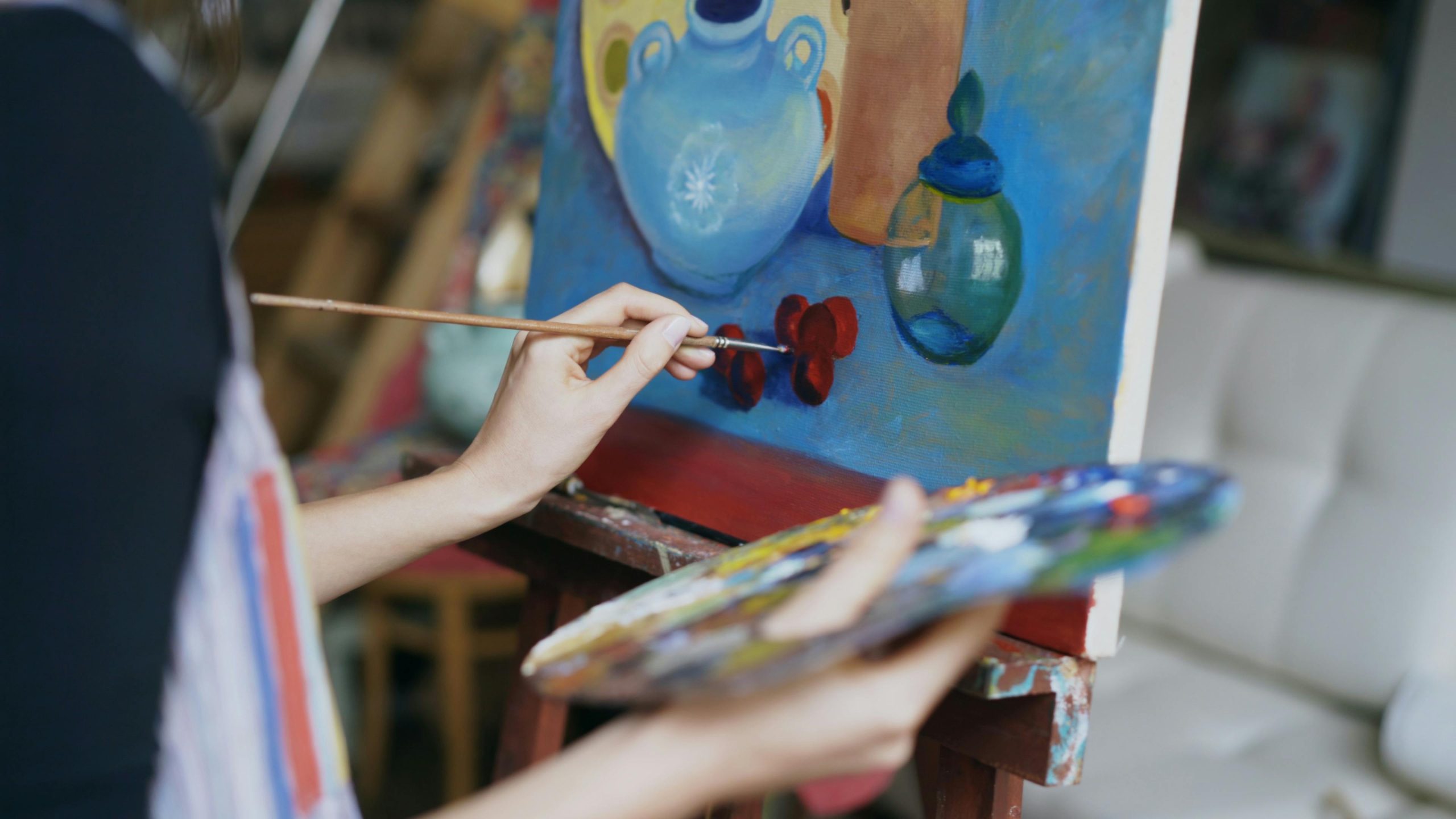
Custom paintings offer a special way to create art that feels personal and meaningful. A story can be built into the piece. And the work can also be tailored to a specific part of your home. It is art made with a place and purpose in mind.
That said, where should you start? Let me walk you through it.
What Does “Commission a Painting” Mean?
To commission an artwork means to purchase a painting that was made specifically for you – a one-off piece of art. Rather than selecting a print from a website or gallery, you are collaborating with an artist to create an original piece.
Step One
Before you reach out to anyone, figure out what you’re after. Ask yourself:
- What do you want the painting to be? An abstract, a portrait, or a landscape?
- Where will it hang?
- Are there specific colors you want?
- How big do you want it to be?
- What is your deadline?
You do not need to have every question answered. Focus on identifying the most important elements you want to capture. You can collect images of reference. The simplest mood board will significantly help you communicate your vision.
Step Two
Neither artists nor illustrators accept commissions. Even if they do, they may not be a good fit for your project. And so take your time. You also need to look for someone whose previous work is closer to your idea. If you want loose, abstract brushwork, do not hire a hyper-realistic portrait artist. This is how you set everyone up to fail.
Some good platforms for finding illustrators and artists include Etsy, Instagram, local galleries, and Rise Art.
Step Three
At this stage, a match has been found, and it is time to discuss the details. Be clear about your references and your vision. Also, share the deadline and the budget. When these points are stated early, the process moves much more smoothly. Great artists typically ask many questions to understand what you are looking for. If an artist isn’t asking questions and agrees with everything you ask, you can consider looking elsewhere.
Stay open to artists’ input as well. Clients do not have as much experience with the materials they are working with, so an artist may recommend a different size or technique that will help accomplish your vision even better than you expected.
Step Four
Yes, you need a contract. Even for small commissions. It doesn’t have to be complicated — cover the basics:
- Total price and payment schedule
- Deposit amount (usually 30–50% upfront)
- Deadline
- Number of revisions included
- What happens if either side needs to cancel
This protects both of you. Don’t skip it.
Step Five
Most artists ask for a deposit before they start. That’s completely normal. It shows you’re serious and gives the artist financial security before they put in real hours. Once you pay, give them some breathing room. Agree on two or three check-in points — maybe after the sketch stage and again halfway through. Ask for progress photos at those moments. Catch issues early before they grow.
Hovering too much kills creativity. Trust the process.
Step Six
When the painting is done, look it over carefully. If small tweaks are needed, ask for them now — as long as they fall within what your contract covers. Once you’re happy, pay the remaining balance. Then sort out shipping or collection.
How Long Does It Take?
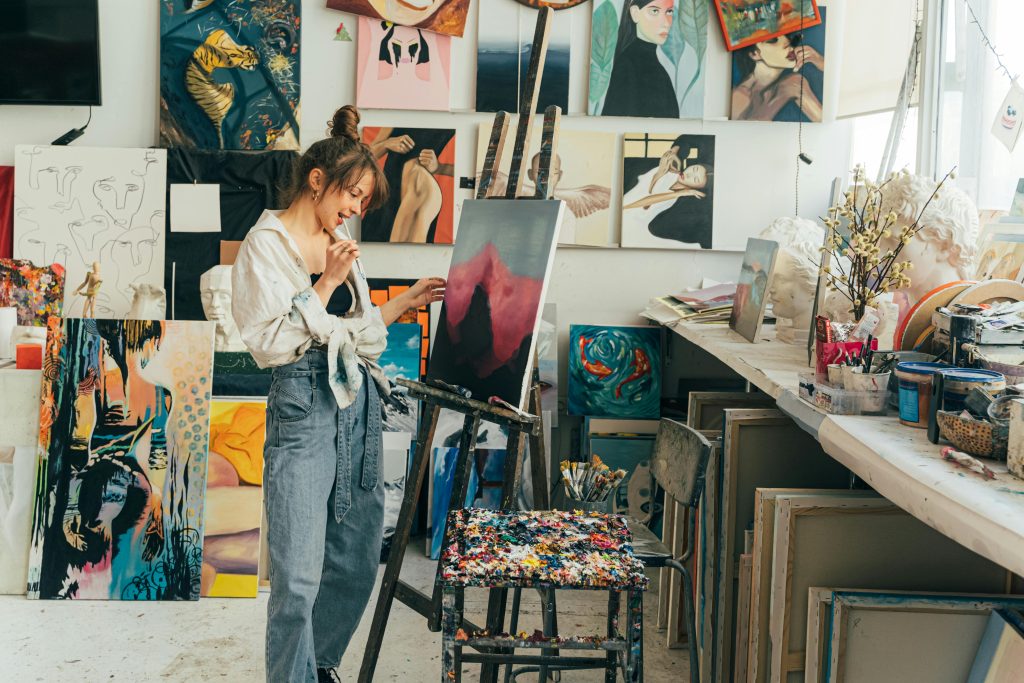
Usually, custom paintings take between two and eight weeks. If the piece is larger or more detailed, it may take longer. It’s always best to factor in shipping time, especially for international orders.
What Does It Cost?
Prices vary a lot and are also based on who you work with, as in:
- Beginner: $50 to $200 for small works
- Mid-career: $500 to $2, 000
- Established: $2, 000 or more
It is reasonable to expect to pay more for size, material, detail, and the artist’s level. Don’t disrespect the artist by asking for them to work for free, or for ‘exposure’.
You should be proud of the custom painting at the end of the process, as it is something you can say you helped create.
Custom Portrait Painting: What to Send Your Artist (Photos, Size, Style)
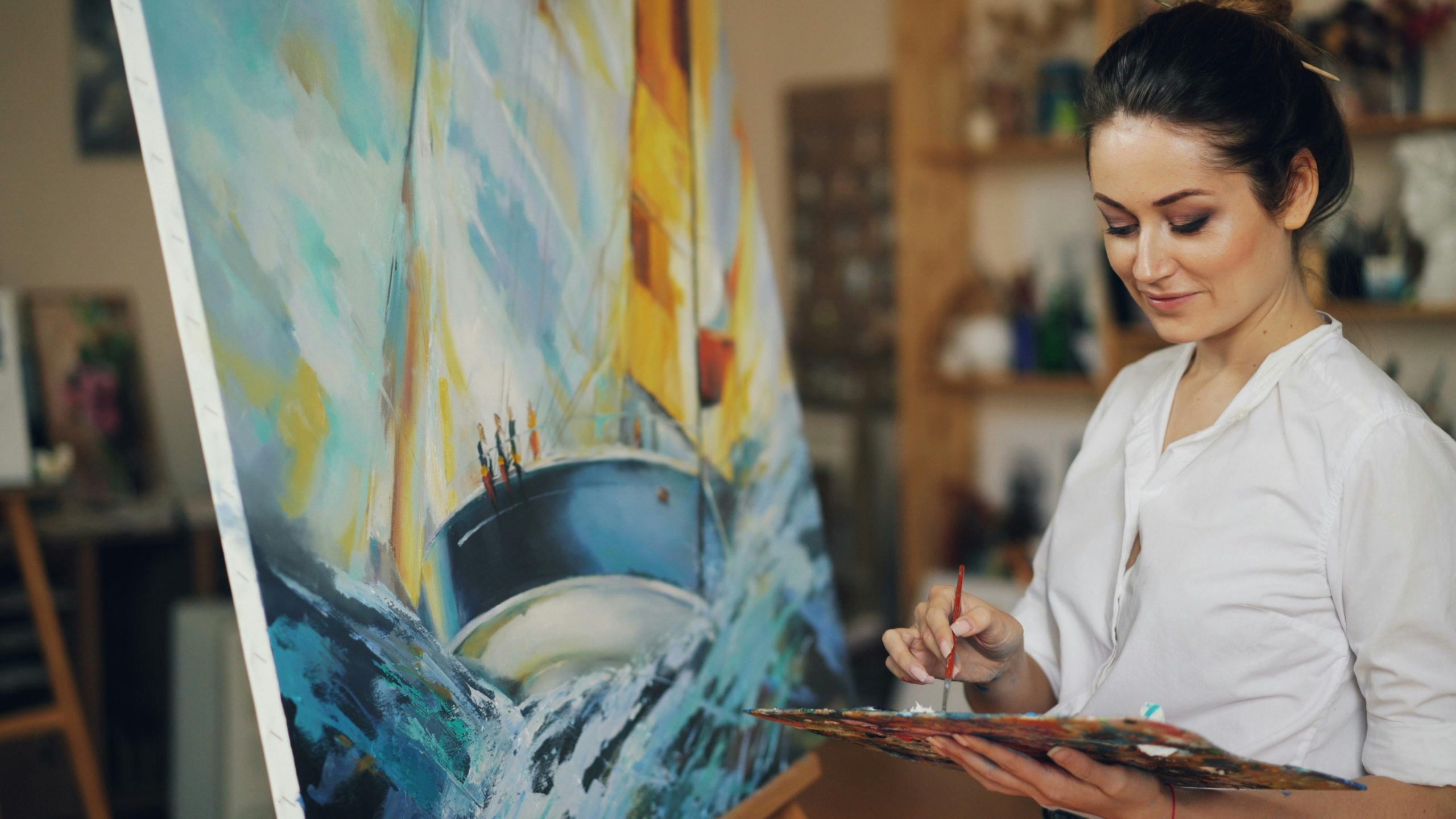
You’ve chosen to have a custom portrait painted. Good decision. There are so many qualities that hand-painted portraits have that printed photos do not. They feel more dynamic and can capture a wider range of emotions. They won’t go out of style and can become family heirlooms.
But what do you send to the artist? What dimensions do you choose? What style do you go with? These are absolutely reasonable questions to have. Let’s break it down.
Start With the Right Photo
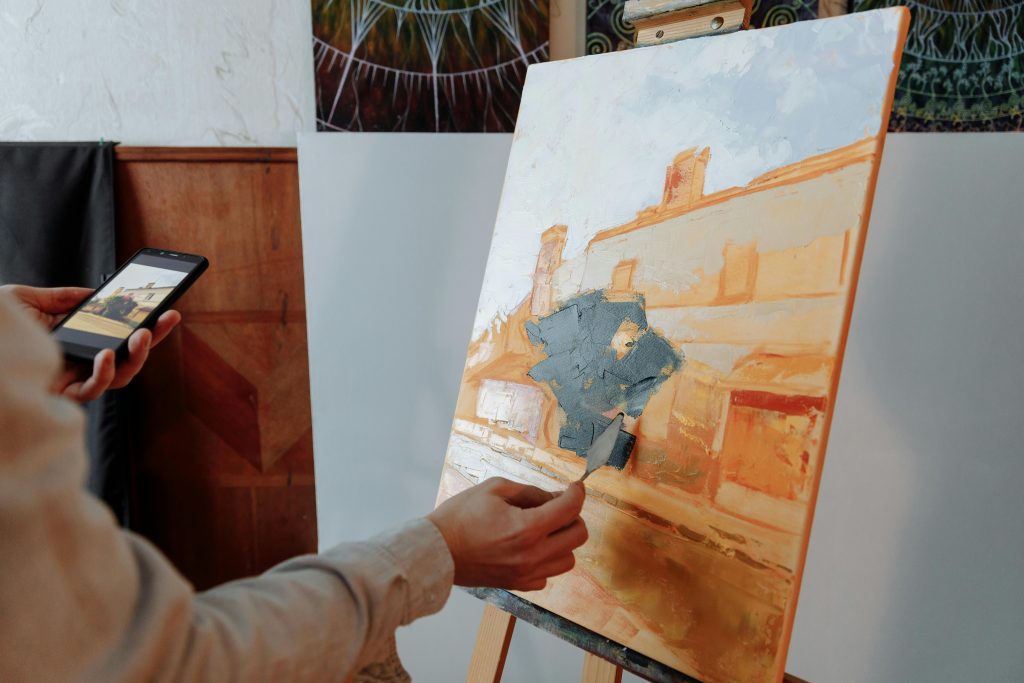
The photo you send matters more than most people realize. Your artist can only work with what you give them. A blurry or dark image will make their job much harder. It can also affect how the final painting turns out.
Here’s what makes a good reference photo:
- Clear and in focus, especially on the face
- Good natural lighting, like near a window or outside in soft light
- The subject looks relaxed, not stiff or forced
- Some shadow and highlight to give the face depth
- Shot from a natural angle, not too close or too far away
Try to avoid flash photos. They flatten the face and wash out detail. Early morning or late afternoon outdoor shots tend to look the best. The light is softer and warmer at those times.
Don’t panic if your favorite photo is a bit old or grainy. A good artist can work with imperfect images. Just let them know upfront. They may ask for a few extra reference shots to help fill in the gaps.
How Many Photos Should You Send?
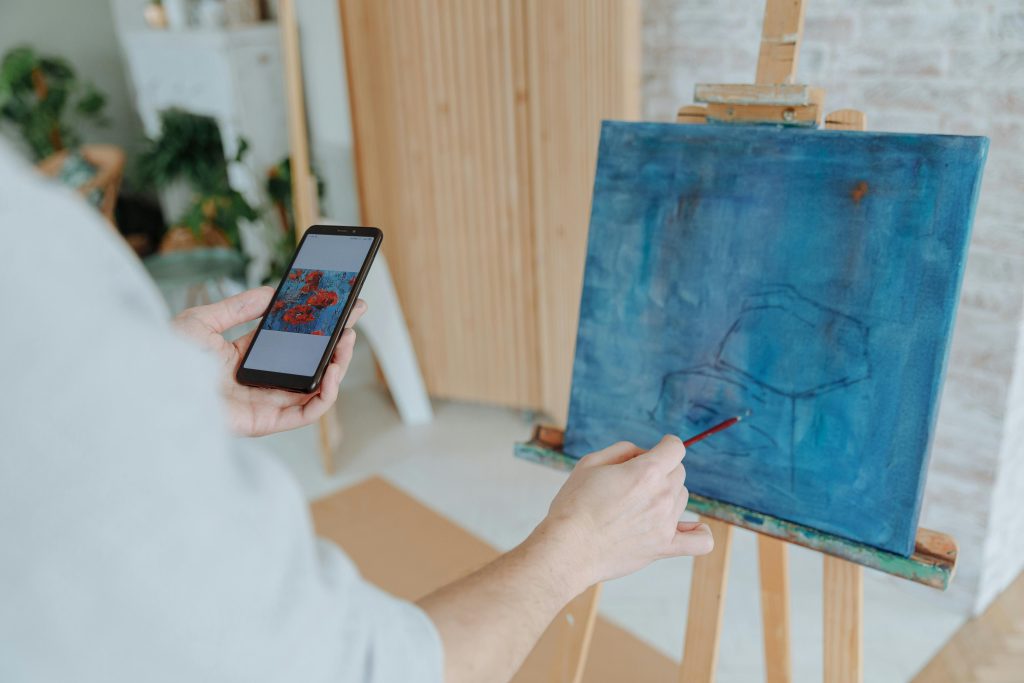
One great photo is usually enough for a single subject. But sending a few extras never hurts. Extra shots from different angles help your artist get a feel for the person’s features and personality. This is especially useful for capturing a true likeness. If you’re doing a group portrait, send a clear photo of each person. Even casual snapshots can help your artist out.
Picking the Right Size
Size is a big deal, and it often gets overlooked. A tiny painting with three people won’t show much detail. And a huge canvas of just one face might feel like a lot in a small room.
Here are some things to keep in mind:
- Small sizes work well for one subject with a simple background
- Medium sizes fit couples or small groups in a balanced way
- Large sizes work well for families or as a strong focal point on the wall
- Always look at the wall space before you make your choice
Your artist can help you here. Just tell them the wall space you have in mind. They’ll point you toward a size that fits both the space and the subject well.
Choosing a Style
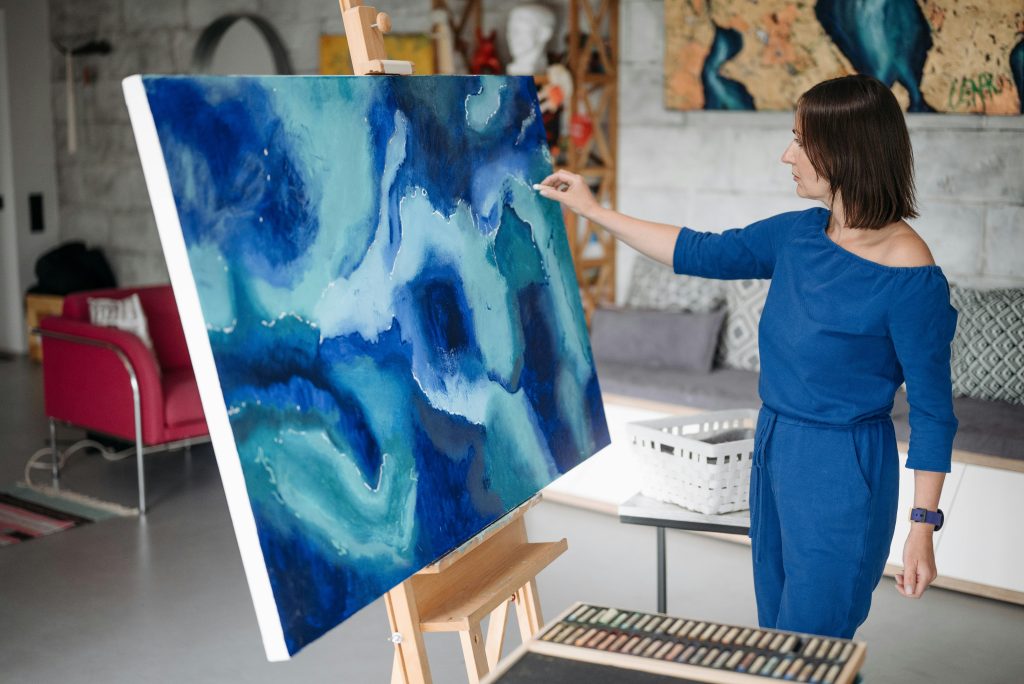
Style is where things get fun. Some people want a painting that looks close to a photograph. Others want something looser and more expressive. And some love that rich, classic look you see in old master paintings.
Common styles to pick from:
- Realistic: Detailed, lifelike, close to the original photo
- Expressive: Looser brush strokes with more feeling than precision
- Classic oil: Deep color, warm tones, and a timeless feel
- Modern acrylic: Bold and bright, often more graphic in look
Portraits are created using different types of paint. Oil paints are good because they are easy to use, blend well, and produce natural, warm colors that suit skin tones. Acrylic paints dry fast, and the colors are vivid and fresh. Both are great options, and it comes down to the look the artist wants.
If you do not know what to look for, you can show your artist a few paintings that you really like. This way, the artist can get a better understanding of what you want, and it’s easier than trying to explain it.
Full Body or Half-Length?
People tend to have a hard time making this decision. Half-body portraits focus more on the face and upper body, so they feel more personal. Full-body portraits show both the body and the environment around you.
In most cases, a half-body portrait is the best option. You get the best expression and face detail, and you don’t have to get a very big canvas to do it.
A Few Last Tips Before You Send
Before you hit send, do a quick check:
- Is your photo clear and in focus?
- Is the lighting decent?
- Have you shared any extra reference images?
- Do you have a size and style direction in mind?
Your artist wants to do their best work for you. The more helpful details you share, the stronger the painting can be. Clear photos help a lot. The right size helps, too. A clear style direction is also enough to get the process started.
From there, it’s in good hands.
Why Photography Captures More Than Just Moments

We often praise photography’s unique ability to freeze time; to preserve in an image that which might otherwise slip away into the dim reaches of memory. Yet photography can do much more than document. Storytelling, expressing emotion, and reflecting on culture all operate through media. We’ll look at why photography captures more than moments, and dig into its meaning.
The Art of Storytelling
Photography, at its essence, is a way of telling stories. Each image narrates a different story, evoking an emotion, experience, or context that touches viewers. A photograph can make you feel joy, sorrow, nostalgia, or hope, and you can often feel it very strongly. That was the sort of thing I could do with pictures — for example, a picture of a child laughing in the sunshine by a park might trigger thoughts of innocence and happiness, and a picture of an empty road after a storm might make you feel lonely and contemplative. By careful composition, lighting, and subject matter, photographers craft images that create engaging visual stories with which the audience can interact on a personal level.
Emotional Connection

But photography can capture emotions that transcend time and space. A photograph can take viewers back to a moment in time, or bring back memories of other times that were similar. And there is no photo more powerful than a portrait, in which the expressions and gestures of subjects reveal (and hide) layer upon layer of personality and emotion. This can be a candid shot of a family member or a friend that penetrates the soul of the picture, and this is what makes photography such a personal experience for the creator and the audience.
Cultural Reflection
Photography reflects societal values, norms, and historical context as well. The cultural practices, social issues, and events that have constituted our world are documented. The importance of photojournalism in raising awareness of global issues such as poverty, war, and climate change cannot be overemphasized. Photographers can kick-start conversations, incite action, and tear us open through the imagery they create. For instance, when images of civil rights movements or environmental protests became iconic, they not only recorded history but also changed public perception and policy. In other words, photography is a powerful means to advocate for and
The Passage of Time
Photographs capture moments, but they are also markers of time, revealing how life changes. Decades-old family photos give us a glimpse into the past generations’ fashion trends, lifestyles, and historical contexts. As the years go by, these are invaluable records of our connection to our heritage and of our shared history. They allow us to think about how much has changed and how much has stayed the same.
The Creative Process

For many photographers, shooting photos is in many ways the exploration of our creativity and self-expression. Every photograph is a choice of composition, lighting, perspective, and subject matter. Photographers can communicate their own perceptions, and photography then becomes an extension of an artist’s vision and emotions, whether through a vibrant landscape or an intimate portrait.
Conclusion
Documentation is just a tiny part of what photography can do; it can capture stories, emotions, cultural reflections, and the passage of time. Photography is a powerful medium for connecting and understanding, through its capacity to evoke feelings and thoughts. Whether in galleries or in our personal albums, when we look at photographs, we remember that each picture contains more than a moment—at its center lies the experience, felt and remembered, then carried over time and space. In this way, photography enhances our lives by enabling us to see the universe from different angles, both literally and figuratively.
Tips for Hosting a Successful Art Show

For artists, collectors, and art fans alike, hosting an art show can be a rewarding experience. The platform provides an opportunity to showcase creativity, be part of the community, and sell artwork. But planning and executing a successful event is not easy. But if you’re planning to host an art show, here are some key tips to help make it unforgettable and invaluable.
Define Your Objectives
Before getting into the logistics, be clear about your art show’s objectives: Do you want to sell your artwork, get exposure, or connect with others? Your goals will influence the venue, marketing strategies, and even the show’s theme. It will also help you clearly measure the event’s success afterward.
Choose the Right Venue

Choosing a good venue is crucial to a successful art show. Think about places that suit your artistic style and your intended audience. Such locations can include galleries, community centers, cafes, or even the outdoors. Make sure there is plenty of lighting to illuminate your artwork and enough space for people to mill around comfortably. Please also assess the accessibility features available to all attendees.
Curate Your Artwork Thoughtfully
How you select and arrange artwork can make or break your show. Tell a story or have a theme to your pieces. Please arrange the artwork on display as soon as possible, taking into account color schemes, styles, and sizes. It will make your presentation cohesive and engaging, and will encourage viewers to spend more time checking out your work. Please add titles and descriptions as labels for each piece to add context.
Promote Your Event
Attracting visitors to your art show is all about effective promotion. Use various channels to get the word out, such as social media platforms, email newsletters, and local community boards. Create promotional materials (flyers and posters) that look professional and align with your show’s theme. If you haven’t already, consider reaching out to local media outlets to cover your event or working with influencers in the art world to expand your reach.
Engage Your Audience
An art show isn’t just about displaying your art; it’s also about engaging with your audience. Design activities encouraging interaction with artists who come in for artist talks; provide guided tours or host live demos. By attending these events, guests can get to know you on a personal level and learn more about your creative process. Refreshments can also help create a welcoming environment and keep attendees around a little longer.
Prepare for Sales
If you want to sell artwork, make sure you have a plan for how you will sell. Set your pricing in advance and consider offering multiple payment options (cash, credit card, mobile payment app). If clear signage is an option, display prices and any special offers. You also need a system to track sales and inventory so you know which transactions need to happen during the event.
Follow Up After the Show
Once the event is over, take some time to reflect on what worked and what didn’t. Send thank-you notes or emails to attendees, collectors, and collaborators who helped with your show. This gesture shows gratitude and helps nurture relationships for future opportunities. As the event concludes, share a few highlights on social media and via newsletters to keep this momentum going.
Conclusion
Planning and executing a successful art show takes work. By defining your objectives, picking the right venue, curating artwork, promoting the event, engaging with your audience, and preparing for sales and follow-up, you can create an impactful experience that resonates with your attendees. Using these tips, you’ll be on your way to hosting an art show that showcases your creativity and brings artists from different parties closer together.
Learning from Masters: How Iconic Artists Shape Contemporary Styles
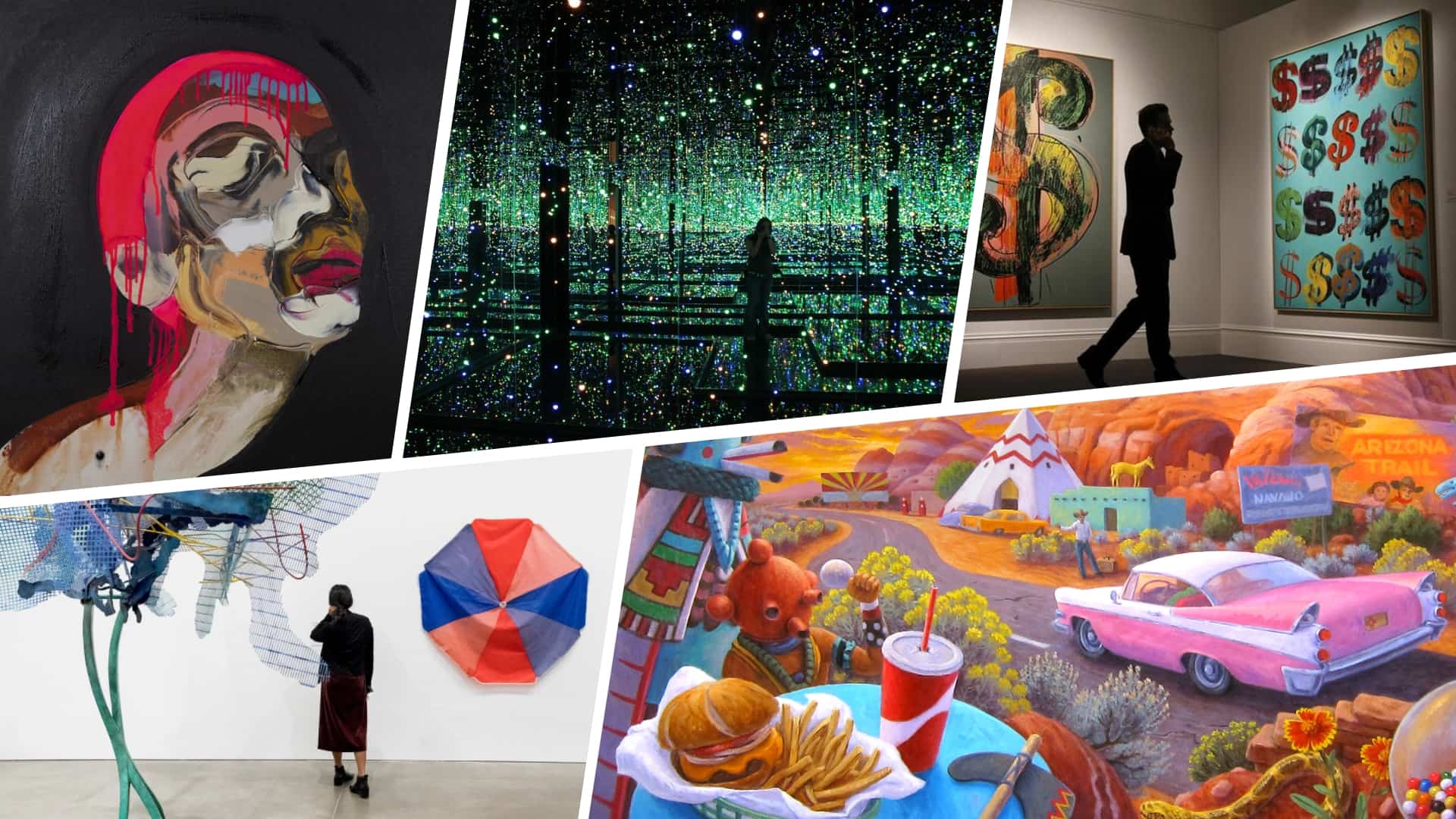
Throughout history, iconic artists have left their mark on the art world, influencing generations of artists. Through their innovative techniques, novel perspectives, organization of thought, and groundbreaking ideas, they are still relevant in contemporary art. In this article, we learn how modern artistic styles are shaped by learning from these masters and how they inspire new movements.
The Legacy of Iconic Artists
Pablo Picasso and Andy Warhol have changed the course of art. Cubism pioneer Picasso deconstructed subjects into geometric form, challenging conventional depiction. He also inspired later artists to experiment with abstraction and redefine visual storytelling. While Warhol blurred the lines between high art and popular culture through such iconic silkscreens of celebrities and consumer products, he was more focused. Contemporary art fairs have fostered a merger of art and commerce and, in turn, encouraged artists to address social issues and to reconsider the character of artistic value.
Techniques and Innovations
Their techniques are carried over into contemporary practice. For instance, bold colors and dynamic compositions found in Expressionism can be traced to Vincent van Gogh and Edvard Munch. Modern artists are encouraged to express personal feelings with their brushwork and vibrant palettes. In addition, the emergence of mixed media, favored by artists like Robert Rauschenberg, encouraged not only its practitioners but also those whose work often experimented with color. Today, painting is often paired with photography, sculpture, digital media, and many other elements.
Thematic Exploration
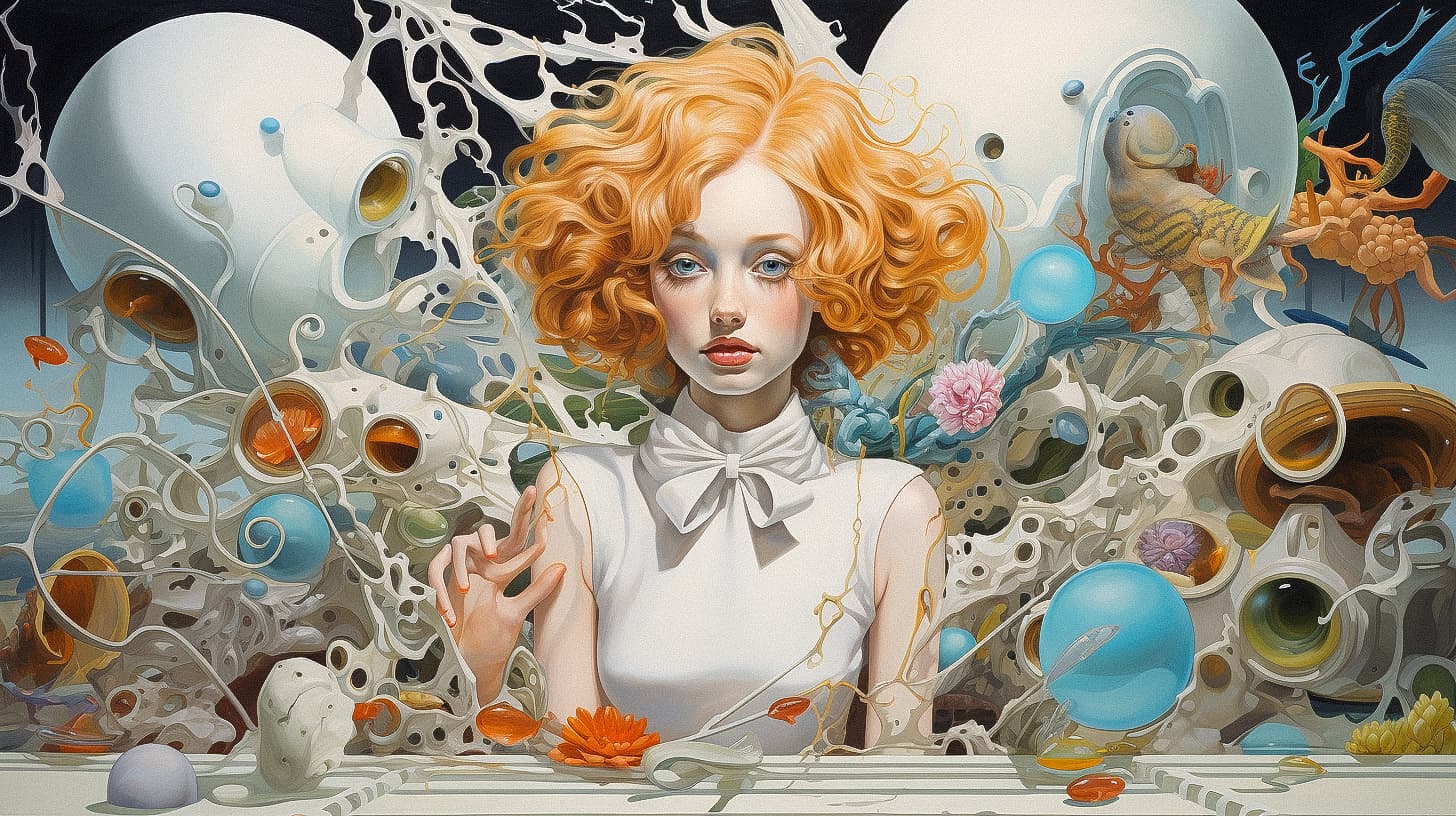
Often, iconic artists were invited to take on challenging themes, including identity, society, and politics, setting the groundwork for today’s debates. Consider Frida Kahlo’s exploration of personal pain and cultural identity as resonating with many modern artists who address gender, race, and mental health in their work. Instead, contemporary creators look to Kahlo for inspiration in her honesty and vulnerability, drawing on her struggles and experiences. Along the same lines, it is often encouraged to focus on social change through art by the conceptual art approaches of artists like Joseph Beuys and his disciples; therefore, today’s artists are supposed to think about their role in urgently undoing a global problem.
The Influence of Art Movements
Historical figures established art movements that continue to influence contemporary styles. In the mid-20th century, however, the rise of Abstract Expressionism brought spontaneity and emotional intensity to painting. Jackson Pollock is among those artists who focused on painting as a form of expression. Yet, process has become a focus of contemporary practices such as performance art and installation art, where the experience, not the finished product, becomes important to viewers’ understanding.
Additionally, movements like Minimalism compel artists to eliminate what is unnecessary and focus on what is important. But I think this philosophy really works for many contemporary creators who want to bring clarity and simplicity to their work without sacrificing complexity.
Collaboration Across Generations
Today’s artists frequently pay homage to or reinterpret the works of their predecessors. More so than anything else, this dialogue of past and present creates a tapestry of creativity that respects tradition and welcomes innovation. Collaborative projects that mix the styles or concepts of the past with the present offer new interpretations that keep the spirit of iconic artists alive.
Conclusion
In contemporary practice, we often lean on the masters. Iconic artists have established techniques, themes, and movements that inspire new generations to explore their creativity and address important societal issues. Modern artists draw on this abundance of great history, yet at the same time, they tip their hat to their predecessors and continue the story of the work and life of the world we live in today. Art thus continues to be a dynamic force of expression and reflection through this ongoing dialogue between past and present.